



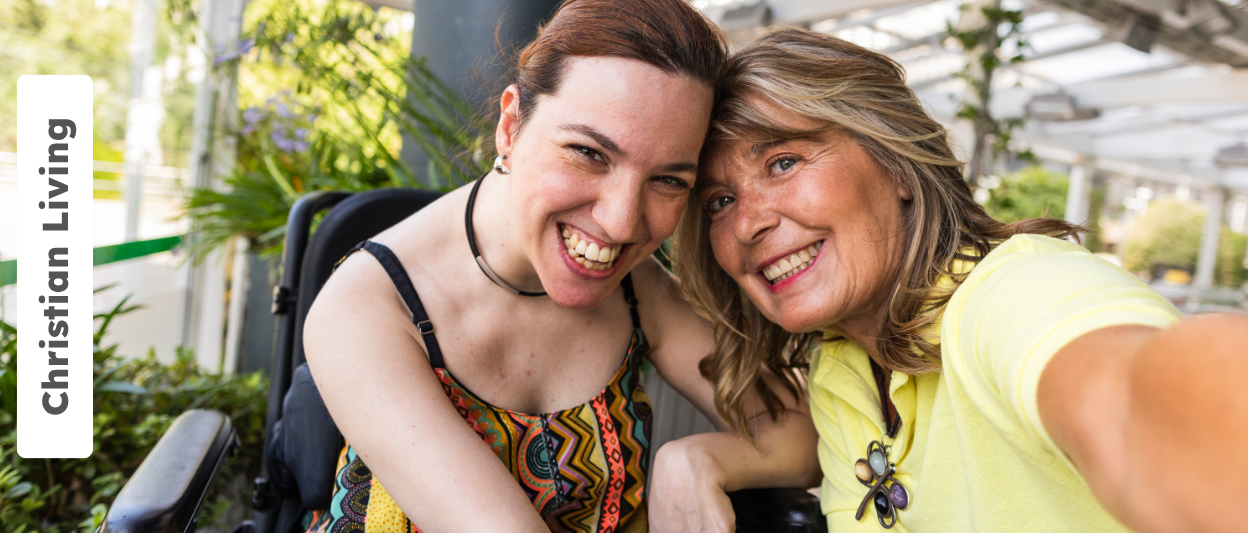
Recent changes to NDIS funding are raising concerns about increased isolation for people living with disability and their families.
Key points:
- Recent NDIS funding changes may reduce social participation support, increasing the risk of isolation for people living with disability.
- Churches have an opportunity to respond by creating inclusive, accessible and welcoming environments.
- Practical steps such as supporting families, training volunteers and fostering belonging can make a meaningful difference.
According to ABC News, the NDIS minister Mark Butler said funding amounts for social and community participation would be “reset” to 2023 levels, around $500 a week, with measures aimed at preventing further “runaway growth”.
Participant budgets for social participation activities are expected to be progressively reduced from October this year, pending the passage of legislation in June. These supports often fund group programs, outings and community engagement, meaning many families could face fewer opportunities for connection and inclusion.
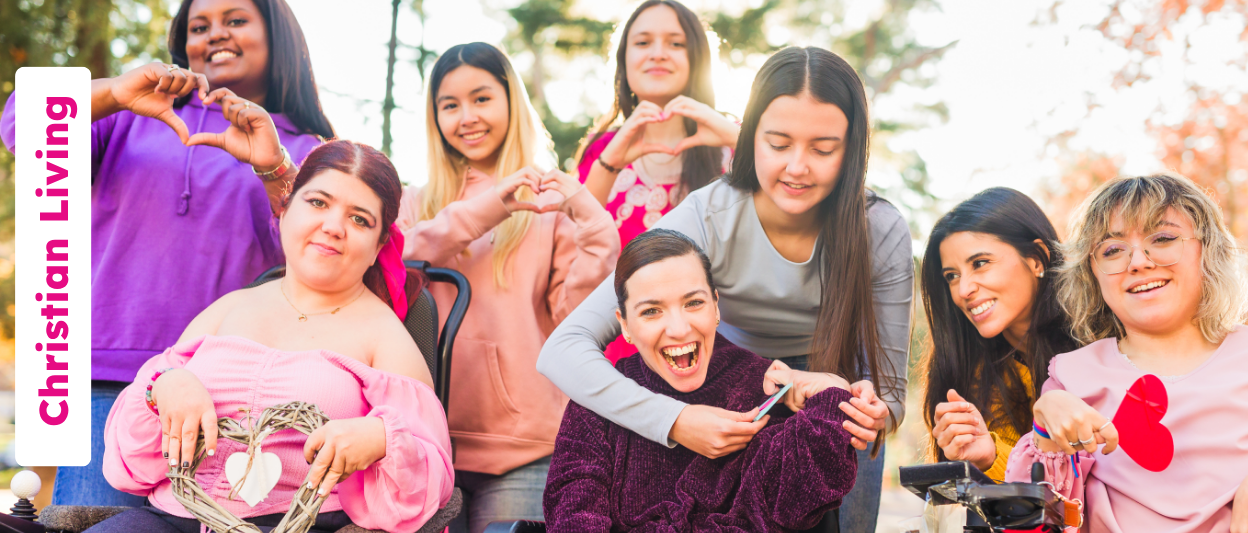
As formal supports shift, the role of the local community becomes even more important. Churches are not only a place to worship God, but also a place of belonging. This creates an opportunity for churches to step in with practical care, inclusion and genuine connection.
Create a culture of welcome
Inclusion starts before any program begins.
A warm, intentional welcome can make a significant difference for families who may already feel uncertain about attending.
In practice, this can be as simple as having a team that is attentive and prepared, greeting people personally, offering help in a natural way and making it clear who to approach for support. Some churches create quiet or sensory-friendly spaces where people can step out if needed or ensure there is consistency in who families interact with each week so trust can build over time.
Jesus consistently made space for those on the margins. Churches are called to reflect that same heart.
Make spaces accessible
Physical accessibility is essential. This includes ramps, accessible bathrooms and clear signage.
Hope 103.2 is proudly supported by
Accessibility also goes beyond buildings. It includes how services are structured. Clear communication, predictable routines and sharing what to expect ahead of time can help reduce anxiety. Small adjustments such as lowering volume levels, providing captions for online content or simply making spaces easier to navigate can make a significant difference for someone trying to engage.
Train and equip volunteers
Many people want to help but don’t feel confident. Providing basic training around disability awareness can remove fear and uncertainty.
This might look like running simple workshops, offering practical guidance on communication or creating a clear approach to how volunteers can respond when someone needs support. One of the most effective ways to learn is by listening directly to people with disability and their families, allowing real experiences to shape how a church responds.
Volunteers can also access formal training online. The NDIS Quality and Safeguards Commission offers free courses and certifications that help build understanding and practical skills when supporting people living with disability.
You can explore training here.
Support the whole family
Families of people with disability often carry a significant emotional and physical load.
Support can extend beyond Sunday services. It may include pastoral care at home, personal catch-ups during the week, involvement in small groups or simply spending time together and studying the Bible in a more informal setting. For many families, these moments of connection outside the church building are where real support is felt most deeply.
“Carry each other’s burdens, and in this way you will fulfill the law of Christ.” (Galatians 6:2 NIV)
For many families, this kind of consistent and relational support is what makes the greatest difference.
Involvement in church life and serving
Inclusion is not just about access. It is also about being part of something.
Where possible, people living with disability and their families can be encouraged to participate in church life in ways that feel comfortable for them, including volunteering.
Often, when people are given the opportunity to give rather than only receive, it shifts the focus away from limitations and towards purpose and contribution.
This can mean adapting roles, creating space for different abilities and recognising the value each person brings into the life of the church.
“Just as a body, though one, has many parts, but all its many parts form one body, so it is with Christ.” (1 Corinthians 12:12 NIV)
When everyone has a place, the whole community becomes stronger.
A community that reflects Christ
While systems like the NDIS play an important role, they cannot replace the power of genuine community.
For churches, this is an opportunity to reflect the love of Christ in practical ways. To see people, to include them and to walk alongside them.
Where a church may not have the resources or programs to meet every need, there is also value in looking beyond its own walls.
Partnering with other churches or connecting families with trusted Christian organisations and ministries can help provide additional support and ensure people are not left without help.
In a time when some supports are being reduced, the presence of a caring and consistent community can make a real difference in everyday life.
This article was researched and prepared by Hope 103.2 staff writers, with assistance from AI in its presentation. Final review and fact-checking was undertaken by our Digital Team prior to publication.
Feature image: Canva Pro
Get daily encouragement delivered straight to your inbox
Writers from our Real Hope community offer valuable wisdom and insights based on their own experiences!
"*" indicates required fields
Subscribe + stay connected with all
our latest stories
"*" indicates required fields
Hope 103.2 is proudly supported by
More from Christian Living