




In Australia more than 20 percent of us have no close friends.
Key points:
- You may assume friendships happen naturally, but meaningful and lasting friendships require intentional effort, regular investment and a clear understanding of what genuine friendship looks like.
- You can strengthen and preserve important friendships by having honest conversations using the RADAR approach, showing that you value the relationship enough to address challenges directly and respectfully.
- God designed you for meaningful human connection, so prioritising real-life relationships, community and friendship over AI companionship can help protect your wellbeing and reduce loneliness.
Combined with the perceived difficulty of making friends in adulthood and shallowness in existing friendships, we’re in what Friendship Lab founder Sheridan Voysey calls a “wellbeing crisis” that needs remedying.
In 2008 when he was attending a seminar on becoming a foster parent, Sheridan was asked a question by the moderator that motivated the development of Friendship Lab.
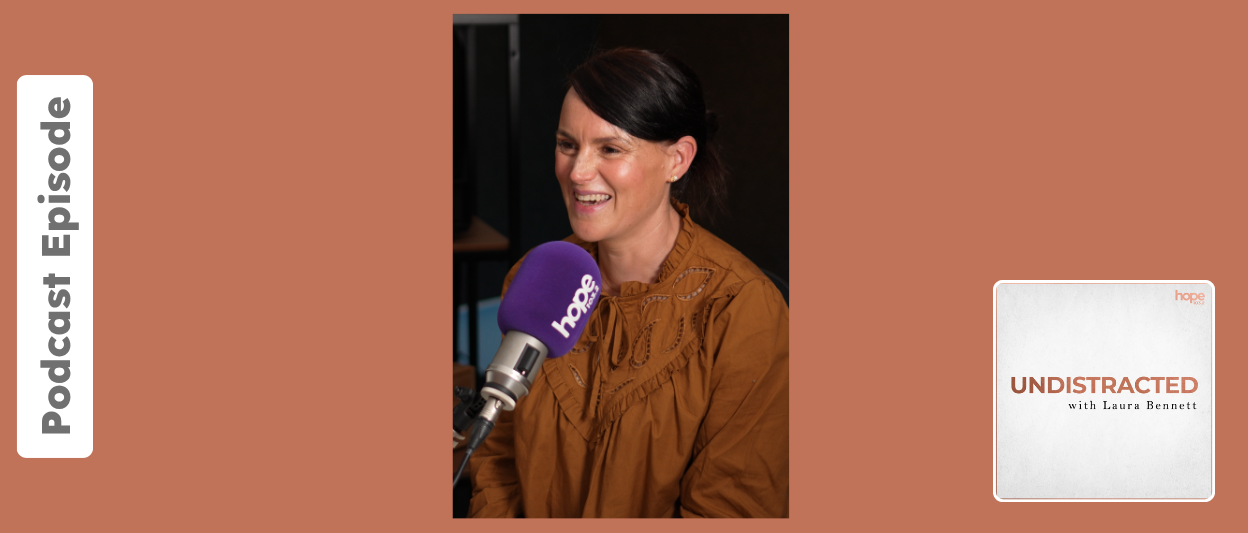
“Who could you call at 2am when everything has gone wrong?,” Sheridan told Hope 103.2’s UNDISTRACTED podcast.
“I sat there with my pen hovering over the workbook because I couldn’t think of whose name to write down.”
In the busyness of his work and media commitments as a writer, broadcaster and husband, Sheridan realised he’d neglected connection and his friendships suffered.
“That was my personal wake-up call,” Sheridan said.
Through Friendship Lab, Sheridan now provides resources that teach the often-overlooked basics of finding and maintaining friendships so we can be more intentional about these fundamental relationships.
“We mistake friendship for almost every other relationship,” Sheridan said.
Hope 103.2 is proudly supported by
“As wonderful as [our] colleagues are, they are not our friends. Colleagues can become our friends, but [a friend] is someone I can talk to, depend on, grow with and enjoy.”
Sheridan thinks that most of us just expect friendships to happen without thought. And the truth is, they just don’t.
“We’ve just neglected it,” Sheridan said.
“There’s this kind of myth around that friendship should just be something that happens. And the corollary to that is, that if it hasn’t happened maybe there’s something wrong with me, and that’s not going to help at all.”
Another challenge to friendship, is knowing how to have the difficult conversations required to help it thrive over time and survive changing life seasons.
Sheridan approaches these conversations with the “RADAR” method:
- Reaffirm the friendship.
- Address a specific incident.
- Describe how it made you feel.
- Ask for feedback.
- Request different behaviour if needed.
“[This dialogue] is actually an act of affection,” Sheridan said.
“It’s saying, ‘I value this friendship enough to have the awkward conversation.’”
Globally, trends also indicate a rise in the number of people turning to artificial intelligence for friendship which Sheridan finds especially concerning.
“The research in both the UK and in Australia is that somewhere around 30 to 33 percent of adults have now turned to a chatbot for companionship and friendship,” Sheridan said.
“It’s concerning because the loneliest and the most isolated are the most prone to do that. And it’s a classic bait and switch.
“The chatbot will promise you that [it’s] going to solve your loneliness [but] all the research that’s coming out now is actually suggesting it’s doing exactly the opposite: it makes you more lonely, makes you more isolated.
“People who use AI friends over a period of time are becoming more narcissistic, more self-centred, and unable or unwilling to see that they are at fault.”
If society carries on down a path where we neglect human connection and fail to develop the skills required for healthy friendships, Sheridan sees it as a tragic departure from our God-given design.
“We’ve been made in the image of God, and God is inherently relational,” Sheridan said.
“Christians understand God as being Father, Son, Holy Spirit: one God, somehow made up mysteriously of three persons.
“Relationship is the very essence of God’s nature.”
“We’ve been made in God’s image, so we are made to relate to other people.”
Sheridan believes the Church has an important role to play in rebuilding community and helping people reconnect in meaningful ways.
“Your local church is one of the few organisations that regularly brings a variety of people together every week,” Sheridan said.
“We need other people,” he said.
Listen to the full conversation in the player above.
For more UNDISTRACTED episodes, head over to our podcast page or listen wherever you get your podcasts.
Feature image: CanvaPro

Get daily encouragement delivered straight to your inbox
Writers from our Real Hope community offer valuable wisdom and insights based on their own experiences!
"*" indicates required fields
Subscribe + stay connected with all
our latest stories
"*" indicates required fields
Hope 103.2 is proudly supported by
More from Relationships