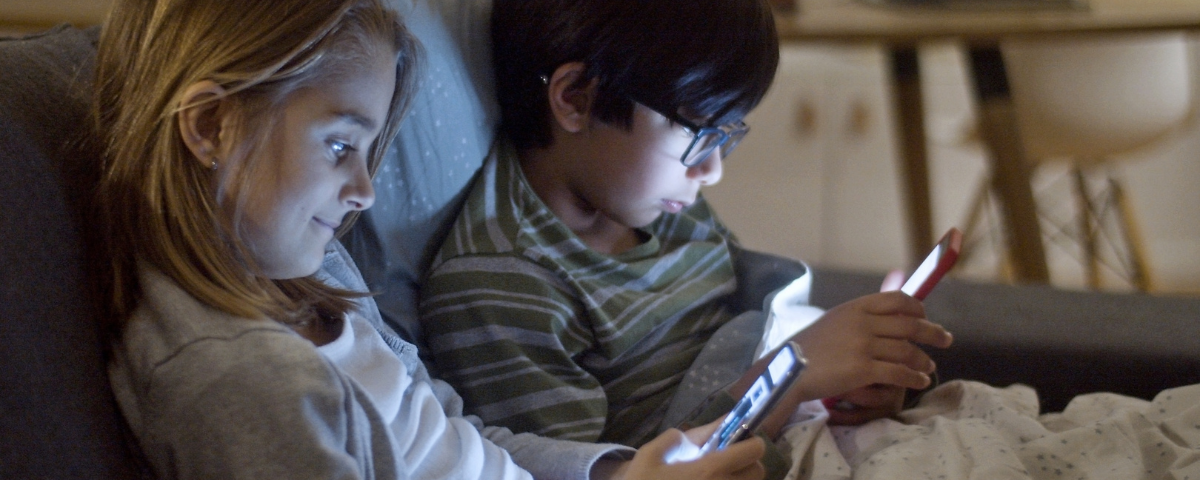





Psychologist Collette Smart shares practical advice on recognising when teens are struggling in a new 'Raising Teens' podcast episode.
Key points:
- Notice ongoing changes, not just one bad day.
- Teen behaviour often signals distress, not defiance.
- Calm connection is more effective than quick correction.
In the latest episode of the Raising Teens podcast, Collette Smart outlines how parents can recognise when something deeper is going on with their teenager.
Collette, a psychologist, qualified teacher, speaker and internationally published author with 25 years’ experience working in private and public schools as well as in private practice, said parents should focus on patterns rather than isolated moments.
“We’re not talking about a one-off bad day… we’re looking for something that’s becoming a pattern,” Collette said.
Behaviour changes that continue over time often signal something deeper.
She identified four key warning signs parents can watch for:
- withdrawal and disconnection from family, friends or activities
- risk-taking behaviour, including unsafe choices or concerning relationships
- changes in school performance or motivation
- expressions of hopelessness or distress
Even comments made lightly about not being here anymore should be taken seriously.
“It is not attention-seeking behaviour… it means your child is in a place of distress,” Collette said.
How parents can respond
When teens show signs of distress, Collette said it is important to understand what is behind the behaviour.
Hope 103.2 is proudly supported by
“Crisis behaviour is often communication. It’s not defiance,” she said.
Connection helps teens feel safe enough to open up.
Rather than reacting quickly with correction or discipline, parents are encouraged to slow down and prioritise connection.
Simple moments such as sitting together, sharing a meal or going for a walk can help rebuild trust and create space for conversation.
“Teens need emotional safety first,” Collette said.
Listening carefully, asking gentle questions and staying present can help create that sense of safety.
Connection before correction
Collette said timing matters, particularly during emotional moments.
In the middle of a crisis, discipline is not the first response.
“Be that safe space in the storm,” she said.
In difficult moments, a calm and steady response matters most.
Once things settle, parents can return to conversations about boundaries and next steps, including professional support if needed.
Teens do not always ask for help directly, but their behaviour often reflects what they are experiencing.
Staying calm, present and connected can help young people feel supported and less alone during difficult seasons.
Listen to the full conversation in the player above. All episodes of Raising Teens are available on the podcast page.
Feature image: Canva Pro
Get daily encouragement delivered straight to your inbox
Writers from our Real Hope community offer valuable wisdom and insights based on their own experiences!
"*" indicates required fields
Subscribe + stay connected with all
our latest stories
"*" indicates required fields
Hope 103.2 is proudly supported by
More from Parenting