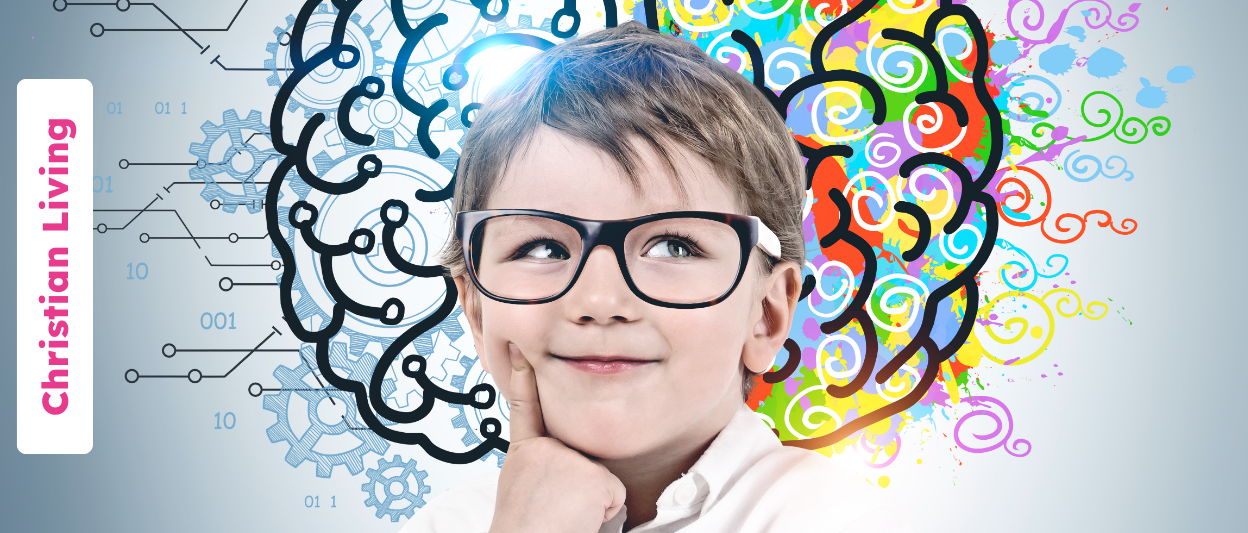
Psychologist Anna Ponnudurai reflects on how parenting, neuroscience and Scripture work together to shape a child’s developing brain.
Key points:
- Early childhood experiences play a crucial role in shaping neural pathways in a child’s brain.
- Loving connection, encouragement and consistent guidance help build a sense of safety and trust.
- Biblical principles such as love, discipline and encouragement can help nurture resilient and emotionally healthy children.
Registered psychologist Anna Ponnudurai says both neuroscience and Scripture highlight the importance of early experiences in shaping a child’s brain.
“Parenting is the hardest job in the world by far,” she said.
According to Anna, research shows that repeated experiences of love and connection help build neural pathways that shape how children experience safety and trust.
“Early experiences build neural pathways. Repeated loving connection wires safety and trust in the brain,” she said.
Anna says the Bible also offers guidance for parents seeking to nurture healthy and resilient children.
“Scripture gives us many principles for raising children through love, discipline and encouragement,” she said.
She points to Proverbs 22:6, which encourages parents to guide their children carefully from an early age.
“Train up a child in the way he should go, and when he is older he will not depart from it.”
Another passage, Ephesians 6:4, reminds parents to approach discipline carefully and thoughtfully.
Hope 103.2 is proudly supported by
“Fathers, do not provoke your children to anger.”
Anna says these biblical principles align closely with what psychology now understands about child development.
“Parents can help form secure, resilient brains in their children,” she said.
One of the most important influences, she explains, is the behaviour parents model in everyday life.
“Children’s brains mirror what they see.”
For parents, this means emotional regulation and healthy responses matter more than we might realise.
“They are always watching,” Anna said.
“They are more likely to do what you do, not what you say.”
Listen to the full interview in the player above.
Brain and the Bible series


Feature image: Canva Pro
Get daily encouragement delivered straight to your inbox
Writers from our Real Hope community offer valuable wisdom and insights based on their own experiences!
"*" indicates required fields
Subscribe + stay connected with all
our latest stories
"*" indicates required fields
Hope 103.2 is proudly supported by
More from Christian Living