Raising a child with a disability reshapes family life in profound ways, and in this Raising Teens podcast conversation, Collett Smart and Hannah Gair unpack what it looks like to navigate those challenges with empathy, intention and hope.
Key points:
- Intentional attention and empathy towards each child can help balance family dynamics when raising a child with disabilities.
- Creating supportive structures and routines are essential for parents, particularly mothers, to maintain their own well-being while caring for children with special needs.
- Building communities for mothers of children with disabilities is vital for shared experiences and mutual support.
Raising a child with a disability adds a unique complexity to family dynamics, a theme psychologist Collett Smart and mother and mentor Hannah Gair delved into during their enlightening discussion on the Raising Teens podcast.
Embracing the unique dynamics of families with disabled children
For Hannah, it began at the young age of 23 when she became a foster mom, eventually caring for three children, one of whom, her son, was born with Fragile X syndrome.
“My world got flipped upside down when my son was born,” she shared, highlighting the unexpected challenges that began with his birth.
One of the significant insights from Hannah’s experience is the importance of intentional, individualised attention for each child. Despite her son’s additional needs, she found ways to make every child feel seen.
“Creating intentional time slots… so they feel that they are seen,” she said, is crucial for ensuring that none of her children felt overshadowed by their brother’s needs.
Collett and Hannah also highlighted the emotional weight carried by siblings, who often develop a protective instinct over their sibling with additional needs. These experiences necessitate open dialogues within the family. Hannah emphasises the value of discussing feelings honestly without judgment: “It’s also leaning in with empathy and being unrushed in those moments”.
These strategies not only bring balance but also teach children empathy and resilience. Parents navigating similar journeys can draw from these experiences to facilitate an environment that fosters understanding and support among siblings.
Hope 103.2 is proudly supported by
Prioritising parental wellbeing through self-care and support systems
Hannah’s journey showcases the paramount importance of maintaining parental wellbeing, especially under the stress of raising a child with disabilities. Her candid admission about moments of vulnerability, such as crying alone and the burning need for self-care, resonates deeply with many parents in similar situations: “Absolutely. There’s the crying in the bottom of the shower when no one else is looking, isn’t it?”
Hannah’s candid admission about moments of vulnerability, such as crying alone and the burning need for self-care, resonates deeply with many parents in similar situations: “Absolutely. There’s the crying in the bottom of the shower when no one else is looking, isn’t it?”
The transition to handling these challenges involves intentional self-care. For Hannah, exercise became a cornerstone.
“If I needed to get up at 4.30am to go to the gym, I did. If that’s what I had to do to get the endorphins, I did,” said said. Such practices are fundamental not just for physical health but also for mental resilience and energy.
Hannah also underlined the significance of structured routines: beginning the day with gratitude journaling and quiet time to recharge. She provided a valuable blueprint for those struggling to balance their roles as caregivers and individuals. Establishing routines that include healthy habits can dramatically improve mental health and provide a sense of control amidst the chaos.
For parents feeling isolated, it’s crucial to find or build communities, as Hannah has through her organisation, which focuses on supporting mothers with children with disabilities. These networks offer emotional support and practical advice, positively impacting family welfare.
Hannah Gair is offering the Hope 103.2 community a free 30-day roadmap designed for the life you’re actually living:
Encouraging societal inclusivity and understanding
Both Hannah and Collett discussed the broader societal challenge of inclusivity, especially for people unfamiliar with interacting with individuals with disabilities. Misunderstandings or avoidance of engagement often stem from natural hesitations around the unfamiliar. However, simple gestures of empathy and friendliness can make a significant difference.
“For me, it’s family,” Hannah said, emphasising the role of close networks in providing the support often absent in society at large.
She sheds light on the feeling of being judged and the essential empathy mothers crave: “We feel the stares, we feel them, we feel that we’re being judged”. Her insights call for a shift towards inclusivity and understanding in community interactions.
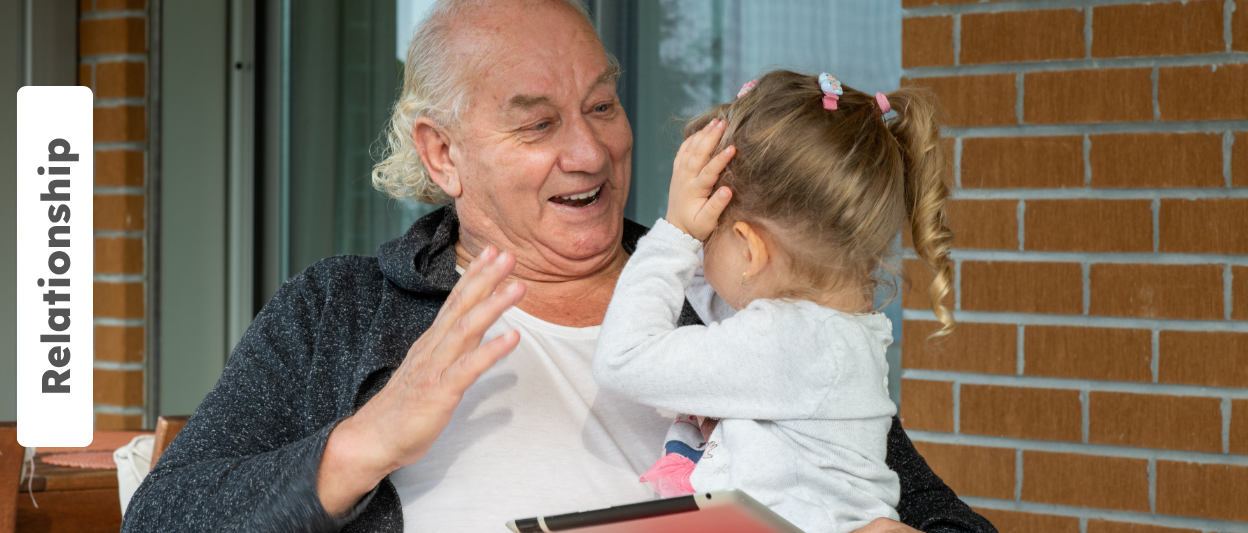
By modelling inclusive behaviours, parents can teach their children acceptance and empathy. Collett and Hannah agreed on the power of simple acts like smiling, high-fives, or short conversations as effective tools to bridge gaps in understanding.
“If you are in the supermarket and you’ve got a gorgeous person with Down syndrome in front of you wanting to share with you about their horses or whatever it is, that is like, ‘hey, great story, tell me about your horse, what’s your horse’s name?’.”
These interactions foster a more inclusive environment, reducing the isolation felt by families managing disabilities. They also increase societal awareness and empathy, promoting greater understanding across communities.
For families with disabled children, each day presents unique challenges and triumphs. Intentional family engagement, self-care, and fostering societal empathy are crucial elements in creating a nurturing environment. Collett and Hannah’s dialogue reveals how, through patience, understanding, and community building, we can develop supportive networks that stand as pillars of strength for parents raising children with additional needs. Their conversation is a poignant reminder of the resilience found in community, empathy, and shared experiences, nurturing both parent and child as they navigate the complexities of life.
Hannah Gair StrongHER Side ebook is available free to the Hope 103.2 community. It provides tools and resources for mothers.
Listen to the Raising Teens with Disabilities: Support, Hope & Community – Hannah Gair episode in the player above.
This article was prepared with AI assistance and then carefully reviewed, fact-checked, and edited by our Digital Team.
Feature image: Canva Pro
Get daily encouragement delivered straight to your inbox
Writers from our Real Hope community offer valuable wisdom and insights based on their own experiences!
"*" indicates required fields
Subscribe + stay connected with all
our latest stories
"*" indicates required fields
Hope 103.2 is proudly supported by