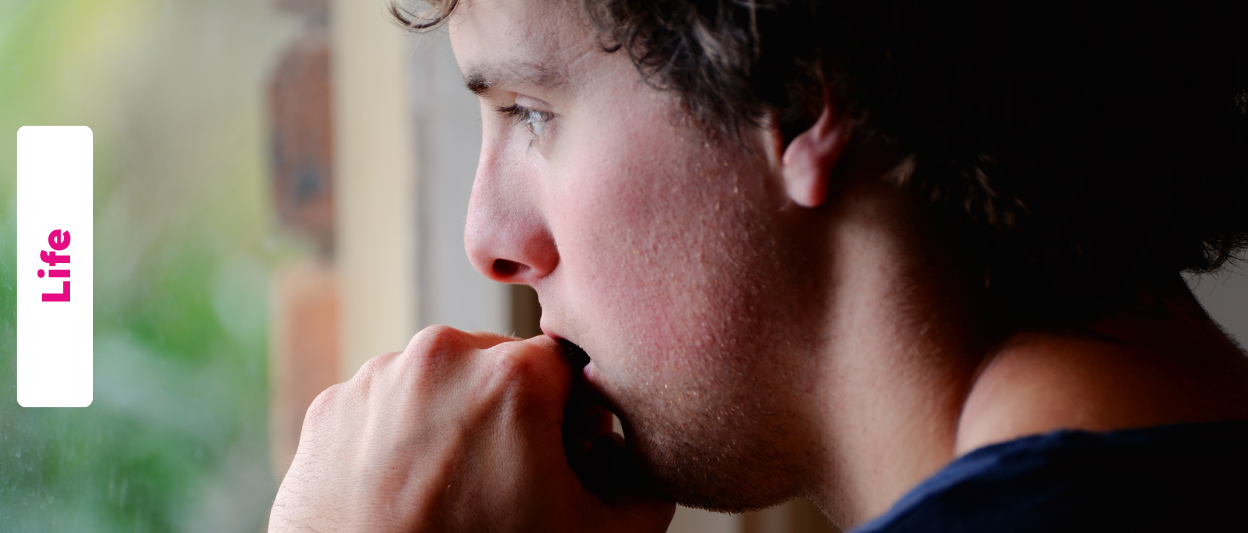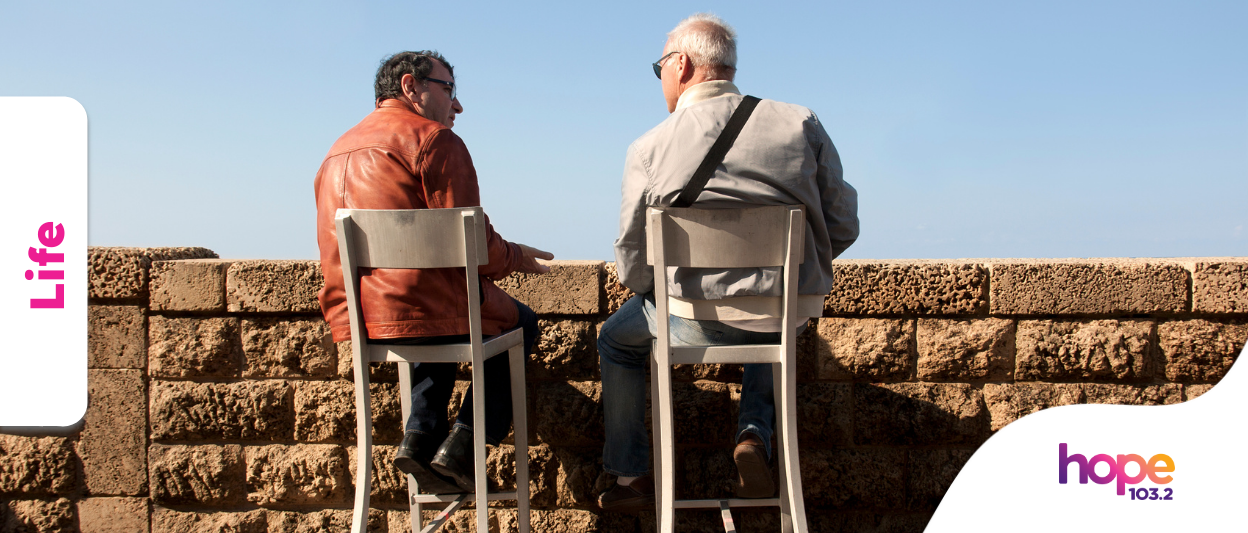
It’s a conversation that too often gets overlooked – men’s mental health.
Key points:
- The “man box”: unspoken rules placed on men to be “the provider, men need to be strong, men cannot show any weakness, or men need to be loud or aggressive.”
- “What is being manly is actually not what we thought it was a long time ago.
- If you or someone you know is struggling, please call Lifeline on 13 11 14 or Hope Careline on 02 7227 5533.
Family dispute resolution practitioner and therapist Sam Leal has spent 25 years supporting families in Brazil and Australia, exploring why men struggle to open up and what can be done to change that.
When asked whether men find it harder to ask for help or to open up emotionally, Sam told Salt 106.5, “I think it’s a combination of both. Ask for help, it’s quite difficult for men because it puts them in a vulnerable position where they can be perceived as weak.”
He pointed to the pressure men face in society to always appear strong. “That expectation that society puts on them… even though there has been so many changes, men still withhold these thought processes. The man box in itself basically stigmatises men that show any kind of weakness.”
The “man box”: unspoken rules placed on men to be “the provider, men need to be strong, men cannot show any weakness, or men need to be loud or aggressive.”
The man box
Sam described the “man box” as the unspoken rules placed on men: “Man is the provider, men need to be strong, men cannot show any weakness, or men need to be loud or aggressive.”
By contrast, he said, qualities like being honest, sensitive, and vulnerable are often looked down on for men.
In other words, what is currently considered ‘manly’ is very different from what we previously thought it was.
“What is being manly is actually not what we thought it was a long time ago.”
Safe spaces for men
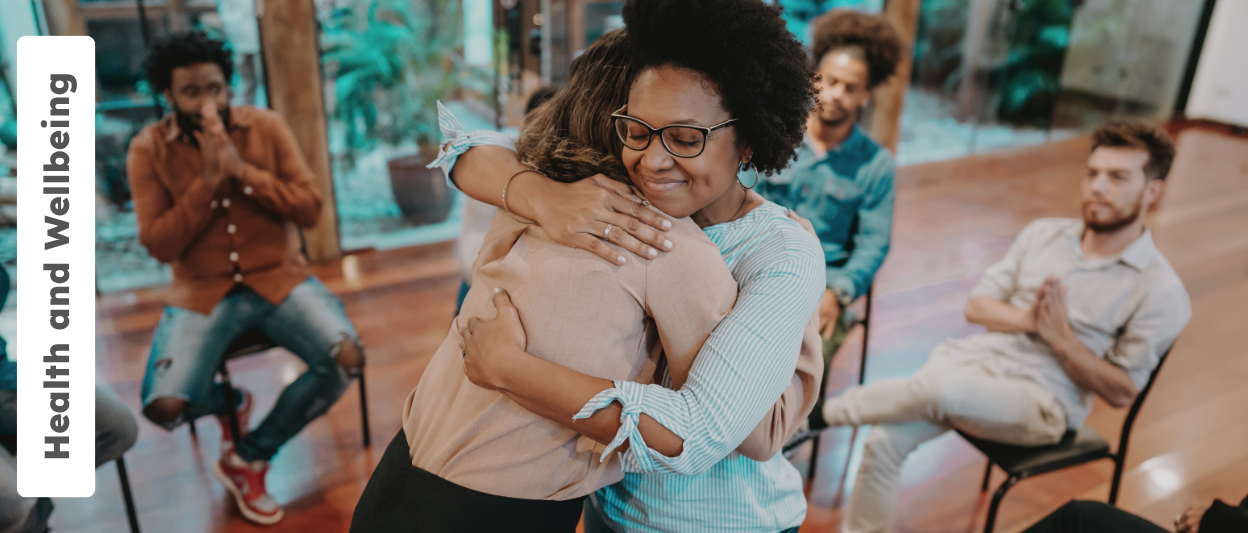
“It’s really rewarding just the fact that you can start a group and of course, you do have the confidentiality… men feel comfortable to talk about challenges they go through that they are not comfortable to speak with their closest friends.”
Hope 103.2 is proudly supported by
He explained that the groups are therapeutic, relational and educational.
“Men can feel comfortable to be themselves, but also can have some support. And at the same time, they are able to support other men as well.”
What is currently considered ‘manly’ is very different from what we previously thought it was.
Sharing stories of change
Sam shared about a man who had battled depression, anxiety and bipolar disorder for over 20 years.
“He actually is the first time that he felt like for a month and a half that he’s not having any depression, no anxiety, no bipolar, and he’s not using medication.
“So, it’s been a journey, of course, early stages, but so good to hear this feedback.”
If you or someone you know is struggling, please call Lifeline on 13 11 14 or Hope Careline on 02 7227 5533.
Resources for support
“Men’s Health is a group that supports men… Beyond Blue, you can contact Beyond Blue and Black Dog.
“And of course my own service, Parent, which is a free service for parenting and finding videos.”
“Looking after your mind is just as important as looking after your body. And if you or someone you know needs support, please reach out.”
If you or someone you know is struggling, please call Lifeline on 13 11 14 or Hope Careline on 02 7227 5533.
Feature image: CanvaPro
Get daily encouragement delivered straight to your inbox
Writers from our Real Hope community offer valuable wisdom and insights based on their own experiences!
"*" indicates required fields
Subscribe + stay connected with all
our latest stories
"*" indicates required fields
Hope 103.2 is proudly supported by
More from Life