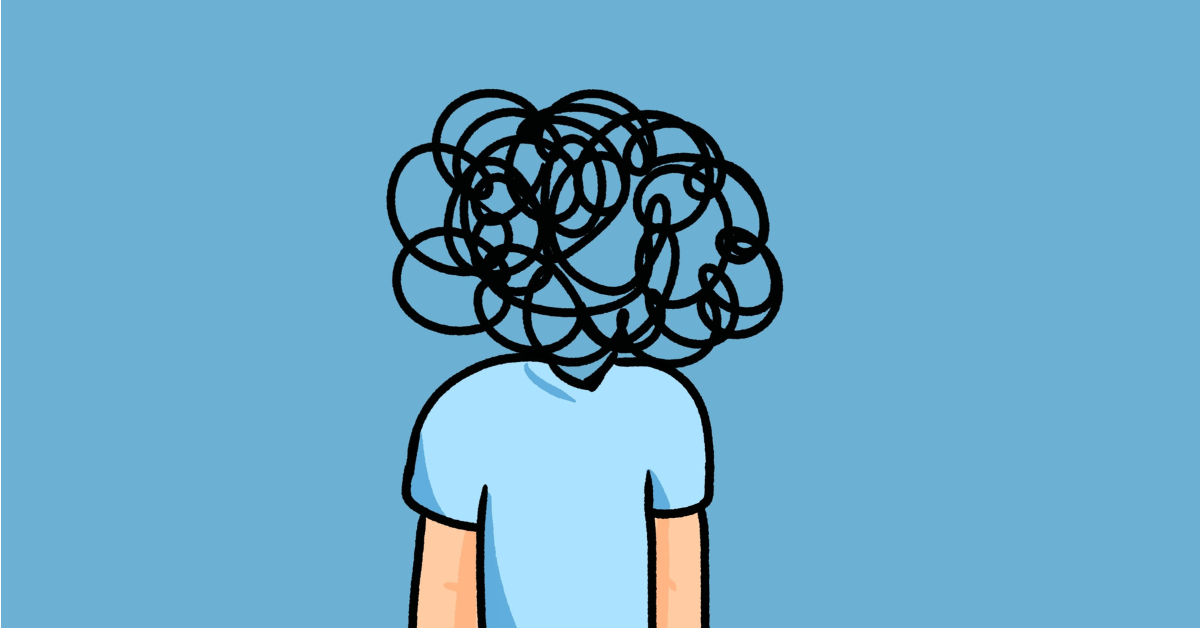





We’ve all heard it: we are currently living through a loneliness pandemic. It sounds heavy, and it feels heavy. Even if your phone is blowing up with notifications, it’s still possible to feel like you’re drifting on an island.
Key points:
- The loneliness pandemic reminds us that connection matters, but meaningful social contact does not always require deep conversations.
- Psychologists highlight the power of weak ties — casual interactions with neighbours, baristas or colleagues that help people feel part of a community.
- Small everyday moments like greetings or short conversations can strengthen social wellbeing and reduce feelings of isolation.
We talk to people every day who feel that quiet ache of isolation.
Usually the advice is to call your mum or go on a date. But there is a massive, underrated secret to feeling connected that doesn’t involve a three hour heart to heart: the power of weak ties.
What’s a weak tie?
In the 1970s, sociologist Mark Granovetter realised that our social lives aren’t just made of close friends and family.
We also have weak ties — the people in the lobby, the dog park or the office kitchen.
Think of weak ties as your casual cast of characters:
- The barista who knows your usual coffee order.
- The neighbour who waves while you’re both struggling with grocery bags.
- That one person at the gym who always wears the cool leggings.
- The work friend you only talk to near the microwave.
They aren’t the people you’d call to help you move a couch at 6am, but they are the people who make you feel like you belong in the world.
The surprising value of casual conversation
You might think these 30 second interactions are pointless, but they are actually micro doses of social caffeine.
Here’s why they matter:
- The I’m Not Invisible factor. A shared laugh with a stranger or a good morning from a neighbour reminds your brain that you exist and that you’re part of a community.
- Expanding your world. Our closest friends often think like we do. Weak ties act as bridges, introducing new music, different perspectives and local news outside our usual circle.
- The low pressure zone. If social anxiety feels heavy, these casual interactions offer a safe way to build confidence one hello at a time.
- Community connection. When you become a regular somewhere, you become part of a local ecosystem. It’s the difference between being a ghost in your city and being a neighbour.
- A social safety net. There is a concept called social capital. Having many weak ties means having more eyes and ears in your community. If you lose your dog, need a reliable mechanic or want to know if the new Italian place is actually good, your weak ties can help.
- Reducing ambient loneliness. You can be in a room full of people and still feel lonely if you don’t feel part of the room. Weak ties turn the public into your neighbourhood. When you recognise the mail carrier or the person walking the golden retriever, the space around you begins to feel like a community.
How to build weak ties
You don’t need to be a social butterfly. You just need to be slightly more present.
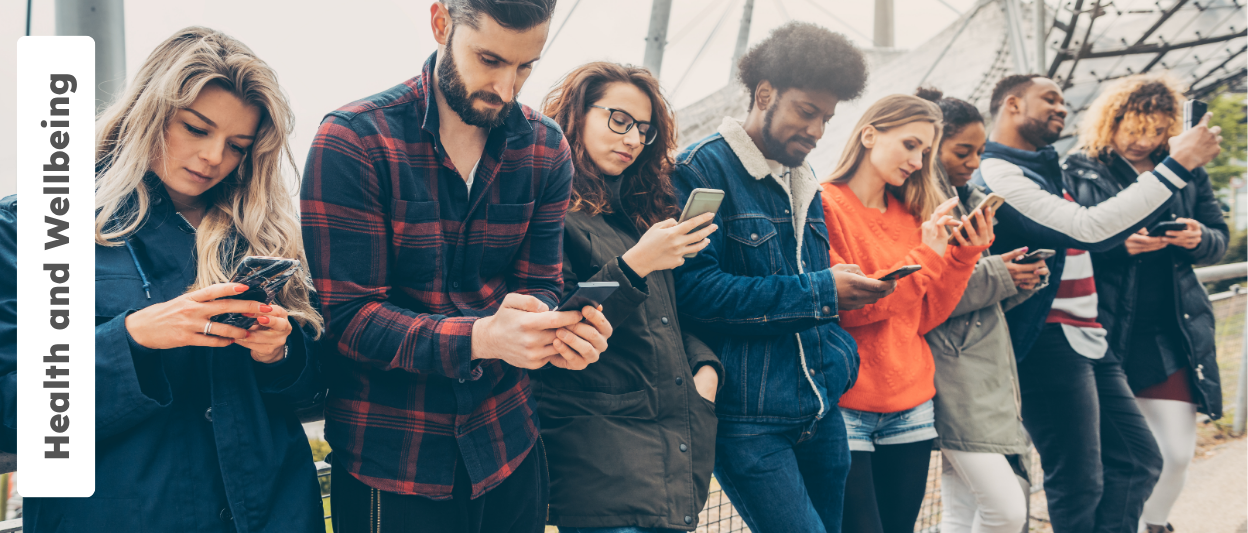
- Put the phone in your pocket. You can’t have a micro moment if you’re scrolling while waiting for your coffee.
- Start with a simple comment. Talking about the weather is a classic for a reason.
- Give a small compliment. If someone has a great hat, tell them. It takes seconds and brightens both your day.
- Show up twice. Visit the same coffee shop at the same time a couple of days in a row and suddenly you’re a regular.
- Join low pressure communities. Look for groups built around activities such as a run club, community garden or short volunteering opportunities.
- Practice micro recognition. If you see someone in your building or neighbourhood more than once, move from a nod to a simple greeting.
The bottom line
At Centre for Effective Living, we know deep relationships are the foundation of a happy life. But the small interactions matter too.
Hope 103.2 is proudly supported by
Those quick hellos and short conversations weave a social safety net that helps protect us from loneliness.
So next time you’re at the checkout, skip the self scan and talk to the human. Your brain will thank you.
Feature image: Canva Pro
Get daily encouragement delivered straight to your inbox
Writers from our Real Hope community offer valuable wisdom and insights based on their own experiences!
"*" indicates required fields
Subscribe + stay connected with all
our latest stories
"*" indicates required fields
Hope 103.2 is proudly supported by
More from Lifestyle