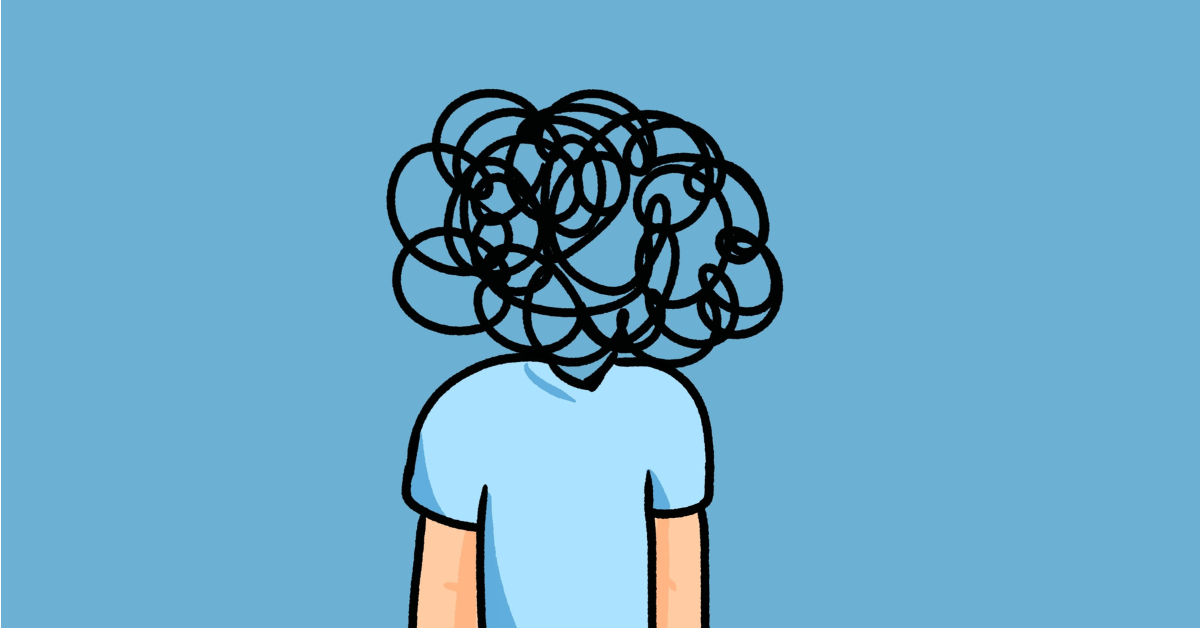
The most useful device in your life is also most likely your biggest real life distraction.
Key points:
- Smart phones bring the world within reach, but overuse and dependence can have a negative impact on our physical, mental and spiritual wellbeing.
- A digital detox can be a way to set limits around phone use and an experiment in establishing new habits.
- Try these five strategies and reengage with what you enjoy, spend more quality time with family and friends and spend your time where, when and how you want to.
A third of the way through the year and struggling to find time to do any of the things you put on your 2026 list? You’re not alone. Where did the time go?
For many of us there is one answer – the “smart” phone. The little device that slips into your back pocket is a portal to a world of information and activity, but it’s also a black hole that sucks away time and attention, adding overwhelm and anxiety if not used in moderation.
Sound familiar? It should. The average Australian spends four hours of their spare time each day watching TV or using devices (25 per cent of your waking time).
Disrupted sleep, depression, anxiety, lower self-esteem, addiction, and reduced attention span are only a few of the downsides of too much screen time.
The evidence shows phone usage has many other negative impacts on our health and lifestyle, too. Disrupted sleep, depression, anxiety, lower self-esteem, addiction, and reduced attention span are only a few of the downsides of too much screen time. Add less time spent with friends and family, lower rates of physical activity and even reduced time spent outside in nature, and it’s certainly a dark shadow over modern life.
The good news is you can reset your habits and take back control.
If you see yourself in some or all of these scenarios, and you’re ready to get your time – and life – back, then it’s time to schedule in a digital detox and we have five tips to get you looking up and experiencing the world around you again.
Getting started
Ask yourself a few questions before getting started:
Hope 103.2 is proudly supported by
- What do I want to change or gain from a detox? Writing down your goals will help you stay focused and get you through the moments when you want to reach for the phone.
- When am I most likely to reach for my phone? Identify the times and places when you use your phone and think about whether this is out of habit or need.
- What am I actually using it for: information, distraction or habit?
- How do I feel after using it? Be real about the type of media you use and how it impacts on you, your sense of self and even your friends and family life.
Writing down your answers can help you stay focused when old habits creep back in.
Once you’ve set your goals and thought about your current needs and habits, it’s time to dig in deep and commit to your digital detox (remembering it doesn’t matter if you have “failed days”, it matters how you pick your plans back up).
5 practical ways to reset your screen habits
1. Delete: remove the biggest distractions
Take a look through your phone and consider which apps take up your time unnecessarily. These might be games, news sites, social media or even language learning apps – you know who you are, Duolingo-ers.
Do you start the day with laser-like focus only to find your train of thought interrupted by your phone beeping away beside you?
If you’re ready to take the leap, delete those you know are simply using up time without increasing your wellbeing. If they are part of your communications with friends and family, let them know you are going quiet for a while. They could always call or SMS.
Remember, you can add the apps back later, so be bold now.
2. Silence it: take control of notifications
Do you start the day with laser-like focus only to find your train of thought interrupted by your phone beeping away beside you? Turning off all the notifications is a step toward controlling who and what gets your attention. Schedule a time in your morning or afternoon when you can check the news, weather and emails. Set a timer and you’ll be even more efficient at staying on top of the important and avoiding distractions.
Put yourself in charge of your time and agenda.
3. Relocate it: put distance between you and your device
Location, location, location. Yes, proximity matters as much with your phone as with anything else. If it’s right next to you, habit will kick in and you are much more likely to reach for your phone without even thinking.
Leaving the phone in another room removes the distraction and will help you build new habits.
4. Go analog: replace, don’t just remove
Do you still have recipe books on your shelves? Pull them out and start leafing through recipes while having your morning cuppa. Not only will you dodge the mindless phone scrolling, but you might find an amazing new recipe for dinner that night: win-win.
Set up a jigsaw puzzle and you’ll have something to go back to whenever you just want to disengage for a bit.
Invest in an alarm clock, set aside a book you want to read and make the bedroom a place of peace and restfulness. After all, that’s what it’s for.
Is there a book you’ve been longing to read but never have time for? Put it next to your bed, on the kitchen bench or on the coffee table.
Do the same with a hobby you haven’t picked up for a while. Leave it in plain sight where you can easily reach for it. You’ll have plenty of extra time, especially if your phone is elsewhere.
Write a list, on actual paper, of things you want to do, places to go or things to try. Start ticking them off when you have time. Yes, with an actual pen.
Get out in nature. Make your morning coffee and walk outside with it. Feel the breeze, touch grass and move your body. Your mind will thank you as much as your muscles.
5. Set time limits and create phone-free zones
There will be some apps you need to access throughout the day. Set realistic time limits on your device. Your phone will then alert you when you’ve reached your self-imposed limit. If you find yourself going beyond the limit repeatedly, consider deleting the app for a period of time, if possible.
Establishing phone-free zones in your home can help as you establish new routines. Keeping phones out of bedrooms can be particularly useful as you reclaim healthy sleep habits. Invest in an alarm clock, set aside a book you want to read and make the bedroom a place of peace and restfulness. After all, that’s what it’s for.
When to seek extra support
If you are concerned that you, or someone you care about, could be addicted to technology, there are resources available to help. Services like Lifeline Australia offer practical resources and guidance.
Experiment, see what works for you and can be integrated into your lifestyle in the long term.
What happens next?
A digital detox isn’t about quitting technology altogether. It’s about resetting your habits so your time and attention are spent more intentionally.
By creating space to do things differently, you can see for yourself whether your phone use has been negatively impacting your health and wellbeing.
From here, you can decide which changes you would like to make permanent. Experiment, see what works for you and can be integrated into your lifestyle in the long term.
As you develop some new habits, they might even rub off on the people around you. After all, you’ll be inspiring company when you start climbing mountains and reading all those books.
Feature image: CanvaPro
Get daily encouragement delivered straight to your inbox
Writers from our Real Hope community offer valuable wisdom and insights based on their own experiences!
"*" indicates required fields
Subscribe + stay connected with all
our latest stories
"*" indicates required fields
Hope 103.2 is proudly supported by
More from Health and Wellbeing