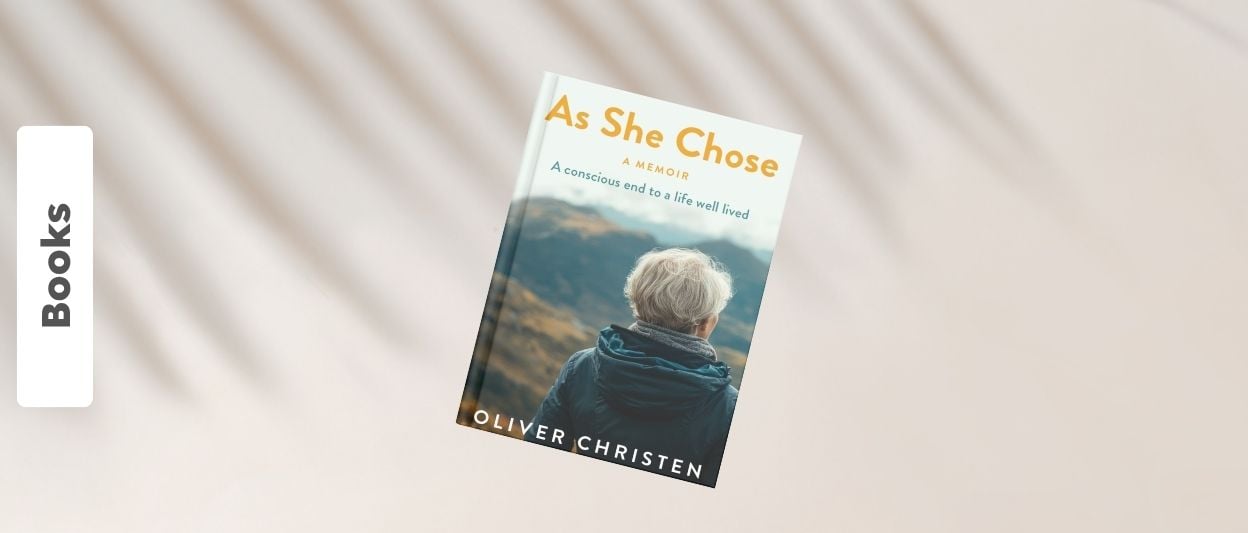
As voluntary assisted dying continues to be debated across Australia, Oliver Christen hopes his mother's story encourages people to think about what matters most at the end of life.
Key points:
- Oliver Christen’s memoir ‘As She Chose’ explores his mother’s decision to stop eating and drinking at the end of her life.
- The story raises questions about independence, dignity and end-of-life choices.
- Oliver believes open conversations about death can help people live more intentionally.
Warning: This article discusses end-of-life decisions and death. If these themes cause distress, support is available through Beyond Blue on 1300 22 4636 or Lifeline on 13 11 14.
Have you ever thought about how your life will end?
Not necessarily how you’ll die, but how you’ll grow old, face illness, perhaps lose your faculties and sense of independence. Maybe you’ve already watched a loved one slowly suffer until death and considered alternative options for end-of-life care.
According to charity Go Gentle Australia, which advocates for choice around end-of-life care, up to 80 per cent of Australians support options such as Voluntary Assisted Dying (VAD), which are seen to relieve distress and suffering for people experiencing untreatable illness or terminal disease.
Views on VAD and legal options like it are complex. Should we be able to determine the date of our death? Where does hope fit in? Are we simply trying to avoid the indignity of ageing?
End-of-life choices often raise deeply personal questions about dignity, hope and control.
When ABC broadcaster James Valentine opted for VAD in light of an increasingly stubborn cancer diagnosis, the practice was highlighted once again, prompting questions about the value of being able to have a living funeral, pace your farewells and have considered conversations about God, the afterlife and beliefs you’ve shaped your life by.
Where sudden death can be shocking, VAD can allow for preparation and intention around the uncontrollable yet inevitable reality everyone faces.
Hope 103.2 is proudly supported by
Is it right, though? What are the ethical considerations and spiritual implications of a choice like this?
At 86, Oliver Christen’s mother decided she was ready to go.
In his memoir As She Chose, Oliver explains how his mother reached a point where ageing left her unable to live with the independence she valued and restricted her ability to engage in life the way she wanted.
“Once she couldn’t live independently anymore, she didn’t want to be prolonging life anymore,” Oliver said.
“She’d always been super active, very sporty, out in nature, loved nature, loved her garden.
“She competed in cross country ski marathons until a very high age and was the oldest member of her town that did that.”
Choosing a different path.
For her end of life, Oliver’s mother chose something called VSED – a voluntary stop to eating and drinking that expedites a natural death but does not determine the specific day it occurs.
“[Mum] specifically chose a death fast [or VSED] because she had questions about the ‘assisted’ part,” Oliver said.
“The consequence of a voluntary stop eating and drinking strategy is that you will die of natural causes, and while you might accelerate the time of your passing, you can’t choose the day.”
The idea of someone choosing not to eat sounds like it could be painful or drawn out, but Oliver saw value in an approach that meant his mother had to recommit to her decision daily.
“It wasn’t painful to watch at all,” Oliver said.
“On the contrary, it was probably the most enriching experience I’ve had in my life.
“It’s an absolute privilege, and it’s the greatest gift that you can give somebody that’s passing, to be present by their side.”
For Oliver, being present during his mother’s final weeks became one of life’s most meaningful experiences.
Time for conversations.
Asked whether increased interest in VAD and similar approaches comes from a desire to avoid pain or frailty, Oliver recognises that may be true for some people, but says it wasn’t his mother’s motivation.
“She wanted to go when she still had the ability to choose how she went,” Oliver said.
“She was afraid of missing the timing. Like if she had a stroke and then became mentally not able to make a decision anymore, and that her will would then not be respected.
“[It was] a big fear for her that she would be kept alive unnecessarily.”
Ultimately, it took Oliver’s mother 24 days to pass away. Throughout that time, he remained by her side, helping her process the emotions that surfaced.
“There were waves of emotions,” Oliver said.
“We could laugh one minute [and then] all of a sudden, she’d be bursting into tears.
“Whenever that happened, we asked, ‘what do we need to do in regard to that issue, that relationship, for you to get to a place of acceptance [and] be at peace in regard to that issue?’
“Sometimes I wrote letters to certain people, I brought flowers to other people. There were meetings that happened, there were conversations that happened, unexpected phone calls that happened.
“There’s all of these things that you don’t have if you just pick a particular date.”
A conversation worth having.
Oliver’s aim in writing As She Chose is not to tell people what decision they should make, but to encourage conversations about what a “good death” means and what matters most at the end of life.
Thinking carefully about the end of life can shape how we choose to live today.
“The clearer you are about the end of life,” Oliver said.
“The clearer the fuller you can live right now without any worry or concern about what the end of life might hold.”
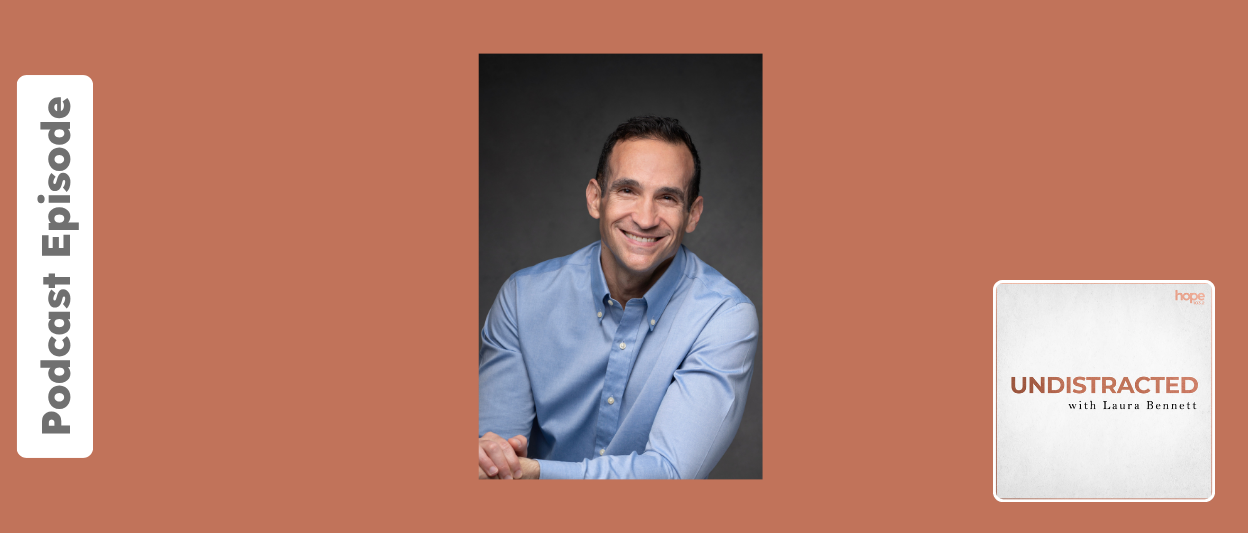
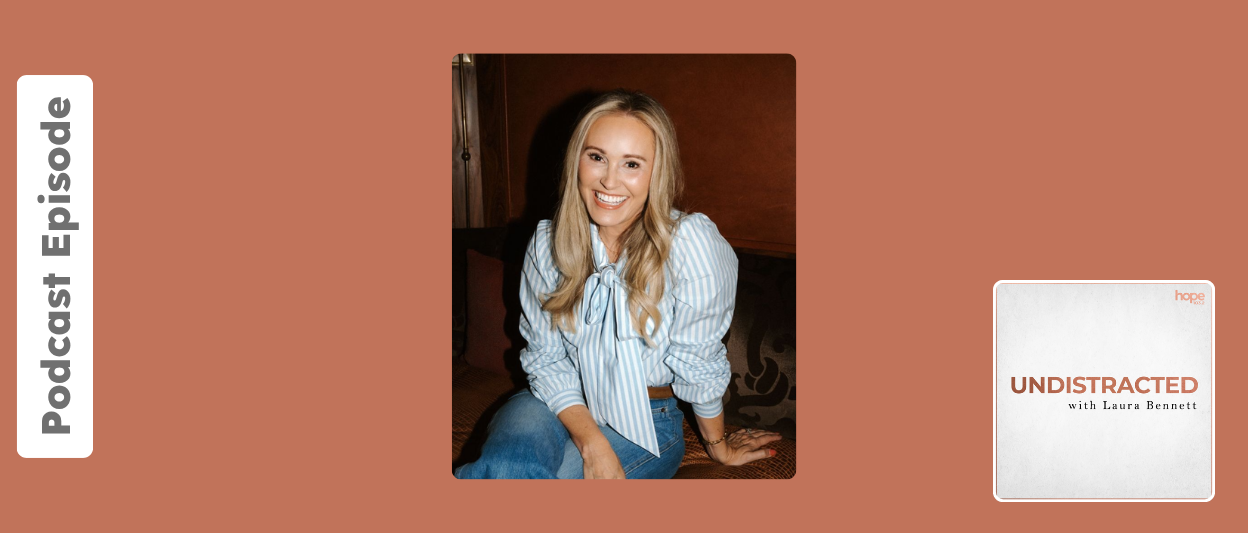
Listen to the full episode of UNDISTRACTED with Oliver Christen in the player above or wherever you get your podcasts.
If the themes in this article have raised concerns for you or someone you know, support is available through Beyond Blue on 1300 22 4636 or Lifeline on 13 11 14.
Feature image: Supplied
Get daily encouragement delivered straight to your inbox
Writers from our Real Hope community offer valuable wisdom and insights based on their own experiences!
"*" indicates required fields
Subscribe + stay connected with all
our latest stories
"*" indicates required fields
Hope 103.2 is proudly supported by
More from Books