Behind the spectacle of Nolan's ancient world lies a story about faith, suffering and showing kindness to strangers
Key points:
- The Odyssey stars Matt Damon, Anne Hathaway, Tom Holland, Robert Pattinson and Zendaya, retelling Homer’s Ancient Greek tale of Odysseus’ homecoming
- The film explores deep questions of leadership, loyalty and hospitality to strangers, echoing themes found in Christian scripture.
- The Odyssey is in cinemas now, rated M.
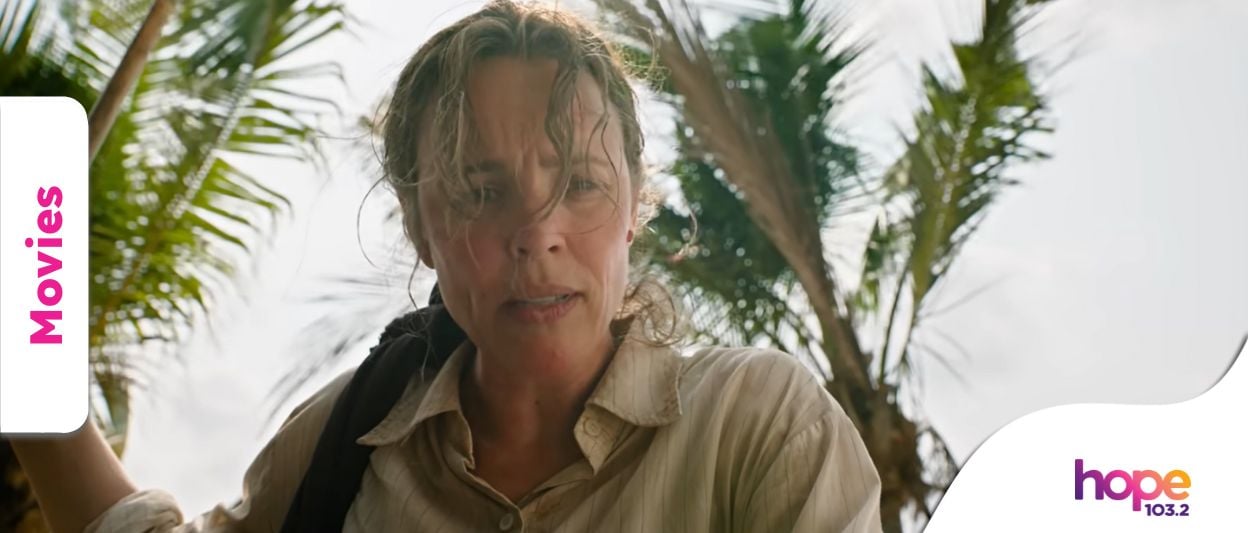
When a movie’s runtime is over the two-and-a-half-hour mark, the need for it to be worth the commitment and beat the challenge of modern attention spans is high. Christopher Nolan’s ancient-world epic The Odyssey understood the assignment.
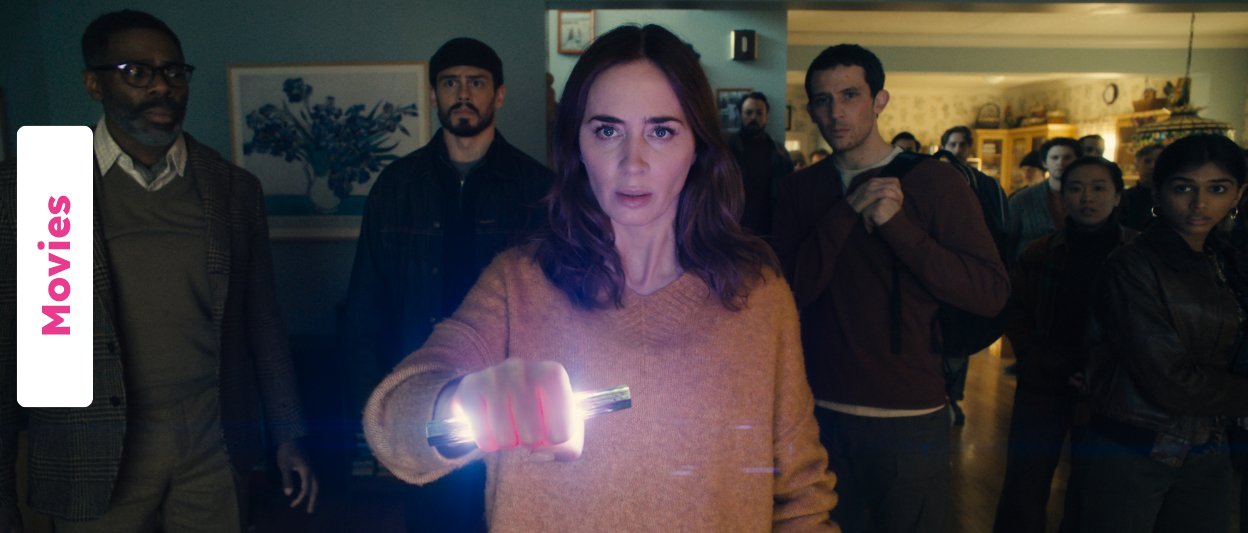
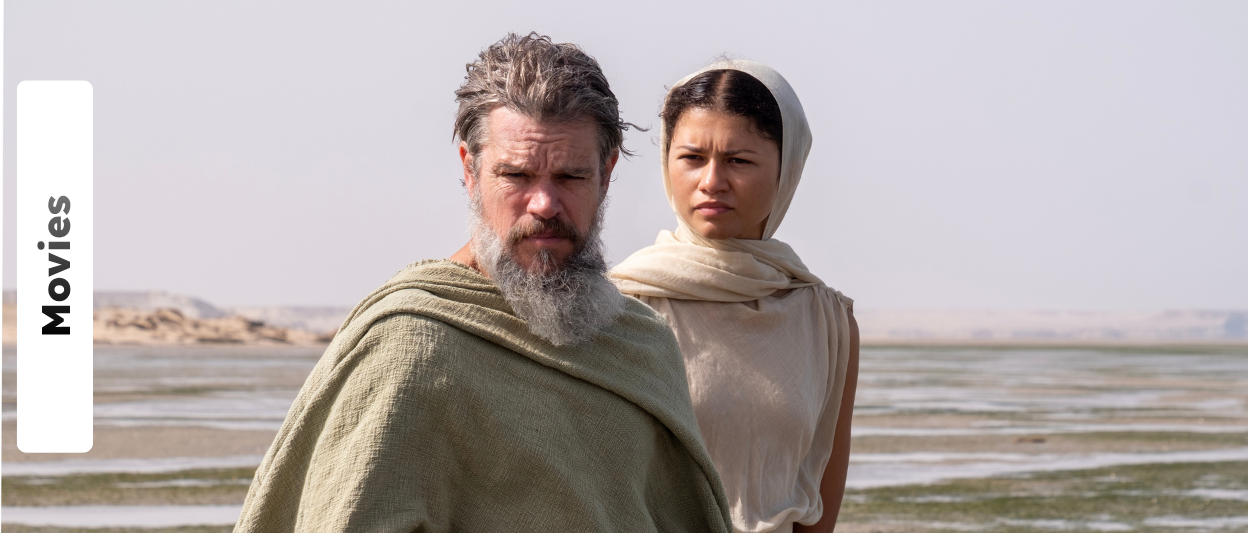
With a stacked cast including Matt Damon, Anne Hathaway, Tom Holland and Robert Pattinson to name a few, The Odyssey follows the narrative of Homer’s Ancient Greek tale, tracking Odysseus’ homecoming journey after the Trojan War.
Rooted in Greek mythology following “Zeus’s law” is core to the social rule Odysseus and his company must keep, and it’s their apparent failings to do so that has them face giants, war and the “wrath of the gods”.
Enjoying The Odyssey comes from two sides: exquisite filmmaking designed to immerse you in an ancient world while making it relevant to a modern one, and the vast moral challenges explored through a story considering leadership, loyalty, servanthood and the lure of fleshly desire.
There’s cleverness in having them embody a voice that helps audiences see themselves in this world, or else lose connection to the wisdom it offers.
While there’s disconnection between the American accents of the cast and the Greek world they represent, there’s cleverness in having them embody a voice that helps audiences see themselves in this world, or else lose connection to the wisdom it offers.
The Trojan War was a pursuit of Odysseus’ making, but its consequences are vast. They extend to his wife Penelope (Anne Hathaway) waiting uncertainly for his return, the death of men who followed him, his son’s own voyage and constant pressure on the religious rule that’s maintaining order.
One thread rising above the rest is Odysseus’ reccurring question about why the gods speak in ways man can’t understand. Athena (Zendaya) appears to him and counters with the suggestion that they do: in pain, joy, “the smile of a child” or love. Is it that “God” is not communicating or that Odysseus is missing the message?
Hope 103.2 is proudly supported by
Odysseus isn’t the first person to question God’s apparent silence, but in Christian theology we’re offered a relational connection to one God who, in the words of Jesus, both knows us and can be heard by us.
The Odyssey is an epic with the right momentum to hold its audience, and a story worth the time taken to tell it.
The Odyssey also, like its source material, gives striking attention to how we treat the beggar and the blind.
Throughout the movie (mostly led by Robert Pattinson’s horribly good villain Antinous), anyone on the edges of society, the hungry or the frail suffer the judgement of the elite. Telemachus (Tom Holland) stands out as someone respecting the rule of treating them like “they may be gods in disguise” and reaps the benefits.
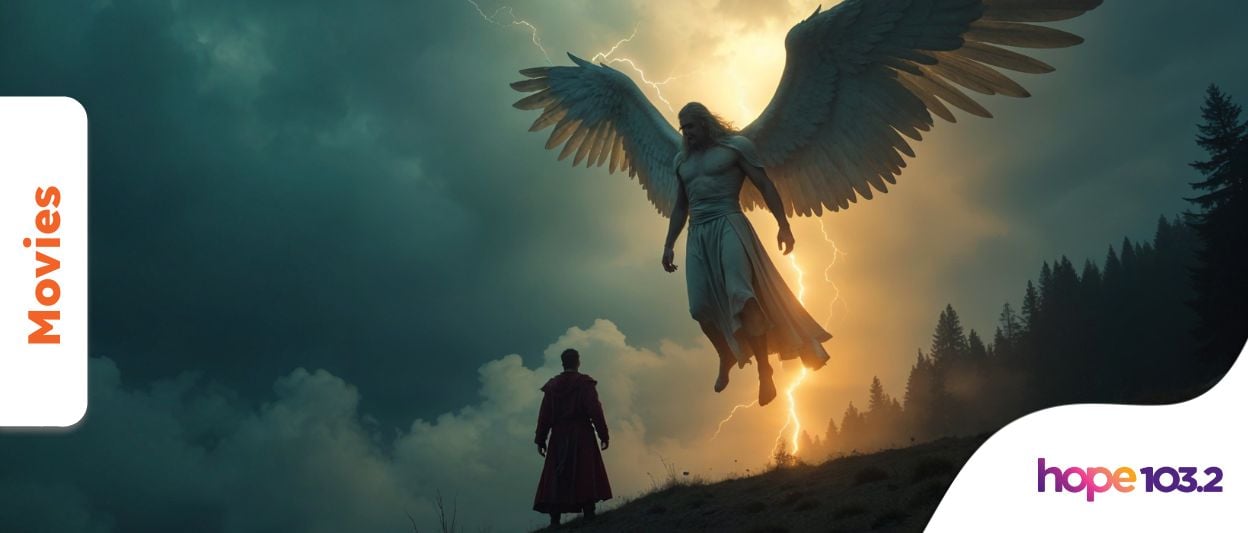
His experience echoes the words attributed to Paul in Hebrews 13:2, that we “not neglect to show hospitality to strangers, for thereby some have entertained angels without knowing it”.
The Odyssey is an epic with the right momentum to hold its audience, and a story worth the time taken to tell it.
The Odyssey is in cinemas now rated M.
Feature image: Supplied

Get daily encouragement delivered straight to your inbox
Writers from our Real Hope community offer valuable wisdom and insights based on their own experiences!
"*" indicates required fields
Subscribe + stay connected with all
our latest stories
"*" indicates required fields
Hope 103.2 is proudly supported by