




Subscribe to the ‘Morning Devotions’ Podcast

When you judge another, you don't define them, you define yourself.
Key reflections:
- Judging others is easy but often it reflects our own flaws and insecurities, while preventing us from showing genuine love, empathy and understanding.
- People respond far better to warmth and compassion than criticism, and we often misjudge others because we don’t see their full story or circumstances.
- It is important to focus on our own behaviour and choose kindness, as judgement can harm others and reveals more about us than them.
Transcript
It was Mother Teresa who once said, if you judge people, you’ll have no time to love them. Simple statement, but I think it’s worth thinking about. If you judge people, you have no time to love them. And it’s true that it’s easier for us to be critical of others than change something in our soul.
Do you remember Lucy from the cartoon strip Peanuts? Well, I think she sums it up pretty well.
She’d been known to be quick to find a fault or two in other people. Well, one day Linus says, Why are you always so anxious to criticise me? And Lucy says, Well, I’ve just got a knack for seeing other people’s faults. Well, what about your own faults, Linus says. She says, I just have a knack for overlooking them.
I don’t think that many of us are like being judged by another person. Dr. Wayne Dyer, a motivational speaker and author, once said that when you judge another, you don’t define them, you define yourself, and I think that’s pretty good. We really do say far more about ourselves when we judge others, how we feel inside of ourselves, our own confidence or lack of confidence, self-esteem, and our own capacity to love. So no one likes to be judged.
We’re all familiar with judgmental people, you might know someone like that. And my guess is that we try to keep clear of people like that, but how often have you judged somebody else? We’re familiar with our own failings, and we probably judge people wrongly. The psychologists have a name for that, you know, they call it projecting. Now that means that you blame others for faults you see in yourself. This is the classic cover-up. We tend to look at people and circumstances from our own brokenness and our own bias.
We’ve all got prejudice and pain.
What we think we know, but do you know that people respond to warmth and empathy and value and appreciation? They don’t respond to judgement.
So I suggest that it’s only love that makes the greatest difference to someone that has that power to change people. We’ve judged others unfairly. We’ve also been judged. So when we know that we’ve been judged unfairly, what’s it like? I think it, it hurts, we’re offended. And our response to our hurts is not unexpected. We might get angry, say unkind things, we might complain.
Hope 103.2 is proudly supported by
But you’ve heard the old statement, you shouldn’t judge a book by its cover, because, you know, when we judge, we really can’t see the whole picture. We don’t know a person’s strength or a person’s weakness in totality, we don’t know what they’ve gone through.
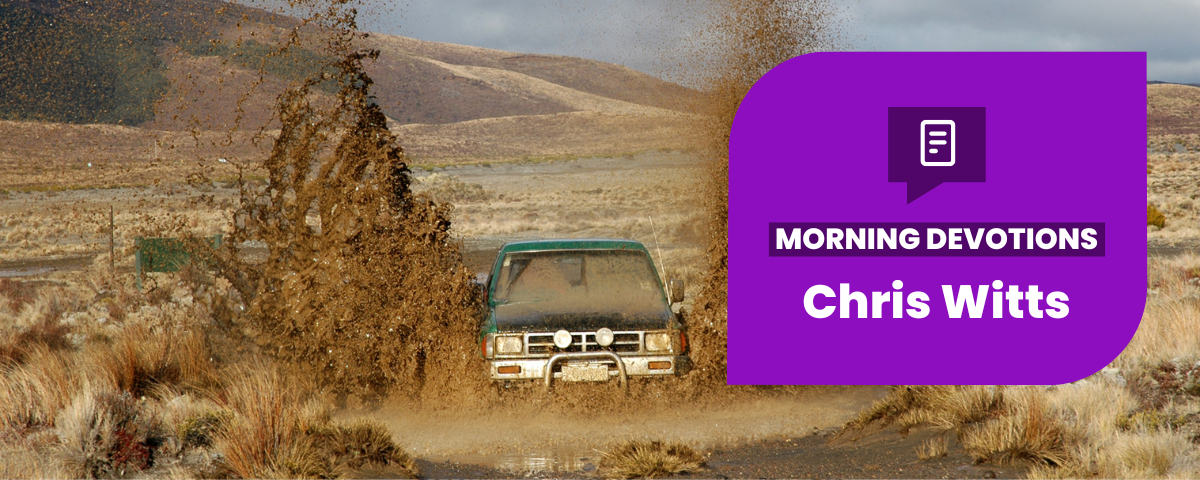
I like the story of the young, very successful businessman. He was driving his brand new black Jaguar down the street one day and suddenly bang. A brick had hit his car. He screams to a halt, gets out of the car, and gets very angry, grabs a young man who was nearby who’d thrown the brick and throws him against the car. How dare you damage my car? Wait till I’m finished with you. The young kid starts to cry. I’m sorry. I didn’t know what else to do. It’s my brother, you see. His wheelchair rolled off the curb. He fell out, and no one would stop, you see. I didn’t know what to do. He’s hurt, and so I had to throw a brick. Would you help him, please, to get back into his wheelchair.
So how easy it is to judge people the wrong way.
That’s why the Bible says in John 7:24, Stop judging by mere appearances and make a right judgement. Elsewhere, it says, for example, in Matthew 7:1, Do not judge, or you will, you will be judged. Paul says in Romans 2:1, some of you accuse others of doing wrong, but there’s no excuse for what you do. When you judge others, you condemn yourselves because you’re guilty of doing the same thing. And then Jesus said this little bit. Why do you look at the speck of sawdust in your brother’s eye and pay no attention to the plank in your own eye? How can you say to your brother, Let me take the speck out of your eye, when all the time there is a plank in your own eye?
So I think we need to take an inventory of ourselves and say, Well, what do I need to do to change? Are there things in my life that God can take away? So Jesus has a lot to say about judgement, and the problem is that we’re so busy looking over the fence at what everyone else is doing that we often don’t have time to notice our own faults.
I know it’s easy to look at the way someone does things and we pass judgement, but again tomorrow I want to take this just a little bit further and just try to find out a little bit more about this, this big problem of judgement.
Let’s Pray
Well, Lord, it’s amazing when we think that you are present everywhere. You hear every prayer, every harsh word, every kind word. But Lord, thank you that you listen to us and can help us each day. Amen.
Feature image: CanvaPro
Get daily encouragement delivered straight to your inbox
Writers from our Real Hope community offer valuable wisdom and insights based on their own experiences!
"*" indicates required fields
Subscribe + stay connected with all
our latest stories
"*" indicates required fields
Hope 103.2 is proudly supported by
More from Devotions